


Meet
the VOICES
From pioneering scientists to regulatory leaders and clinical innovators — discover the experts shaping the future of phage therapy and the fight against antimicrobial resistance (AMR).
Our speakers represent leading voices from clinical practice, industry, regulatory and biotech — uniting their expertise to inspire global collaboration and advance phage therapy toward real-world patient impact.

As Head of the Translational Microbiology Research Group, Dr. Balint Kintsens leads research in bacterial genomics and antimicrobial resistance (AMR). His work uncovered resistance development under antibiotic pressure (Nat Microbiol 2025) and integrated pathogen surveillance with phage–host mapping for precision phage therapy (Cell 2024). He has authored 30+ papers in leading journals.
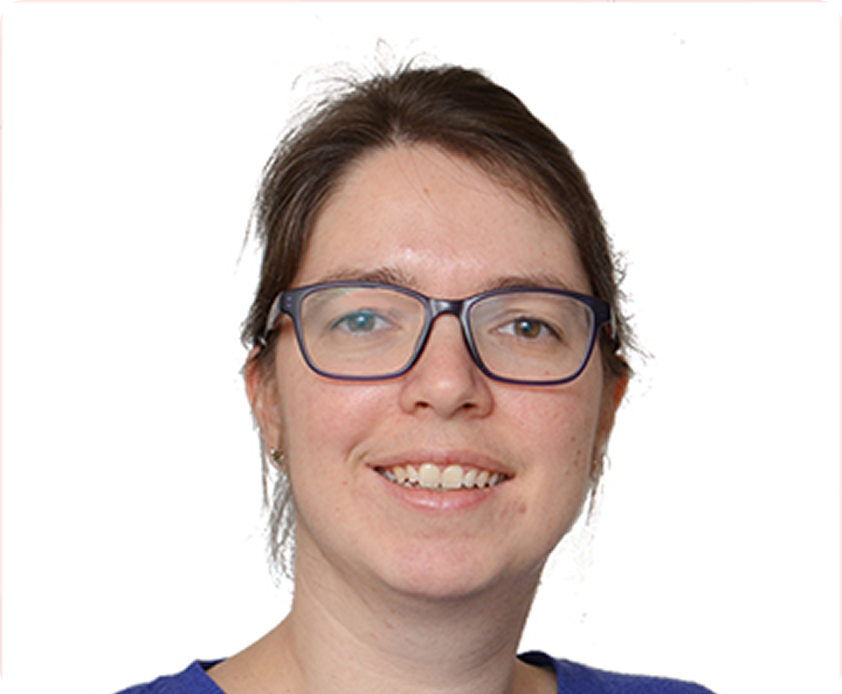
Dr Evelien Adriaenssens is a group leader at the Quadram Institute in Norwich where her group investigates how bacteriophages influence microbiome health and how we can exploit phages for human, environmental and animal health. She has long-standing expertise in phage taxonomy and is the current Vice President of the International Committee on Taxonomy of Viruses.
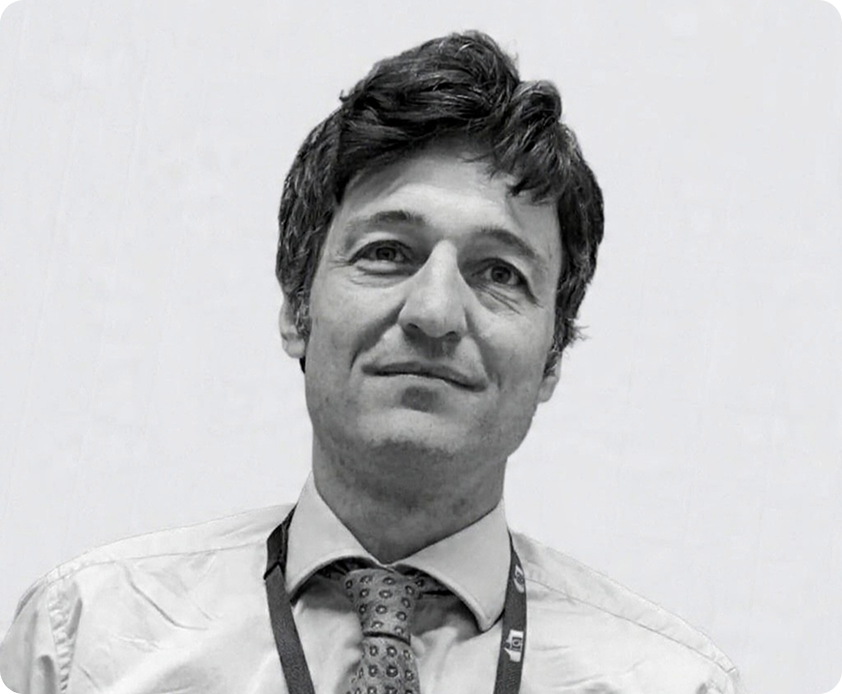
Pietro Erba is a hospital pharmacist and policy specialist, serving as a Policy Officer for pharmaceuticals at DG SANTE, Unit D1 (Medicines). His work covers antimicrobial resistance, bacteriophages and radiopharmaceuticals. He is a Seconded National Expert from the Italian Medicines Agency, where he previously worked in pharmacovigilance, inspection, management advisory and international affairs.
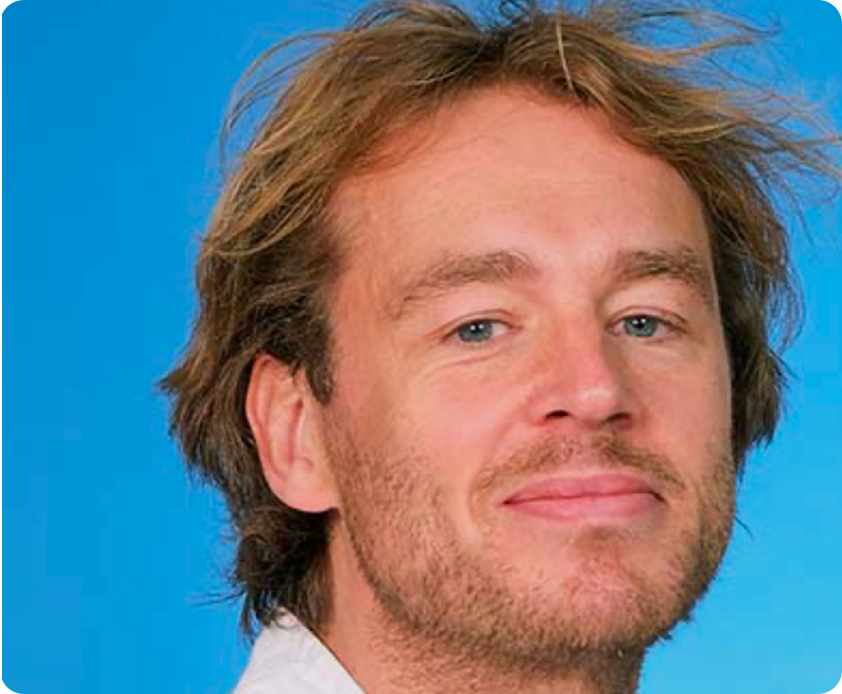
Dr. Jochem Spoor is a pediatric neurosurgeon at Erasmus MC in Rotterdam the Netherlands. Besides research on congenital anomalies of the central nervous system and its post- and prenatal surgical treatment his focus of research concerns infections and the role of bacteriophages. He is co-founder of a Dutch phage research and treatment company called Phage Solutions.
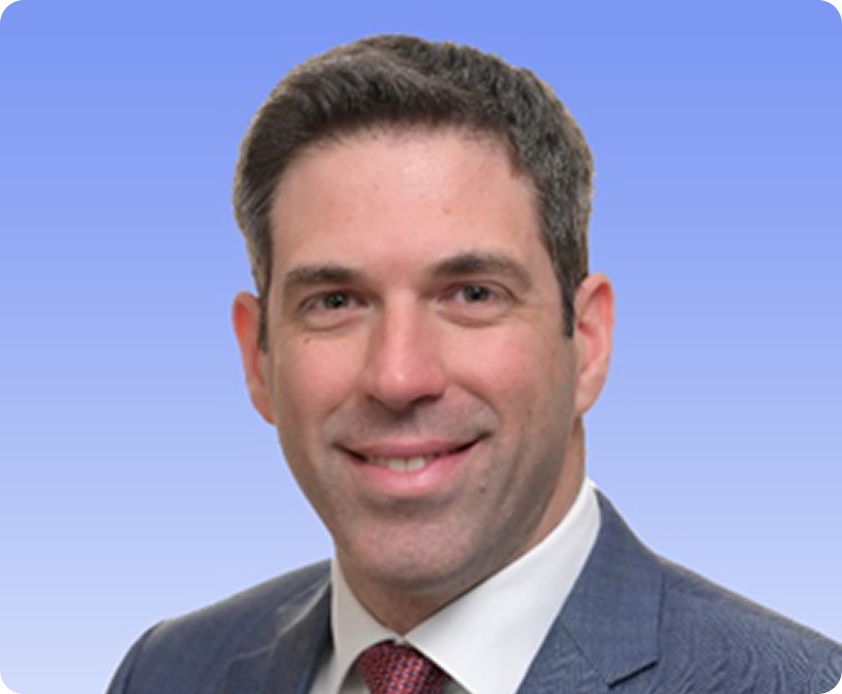
Anthony Rodiadis is a Policy Officer at the European Commission’s DG SANTE in the Medicines Policy, Authorisation and Monitoring Unit. He contributed to the EU Pharmaceutical Strategy and played a key role in drafting and negotiating the reform of EU pharmaceutical legislation. He is a qualified lawyer specialising in International and European Law.
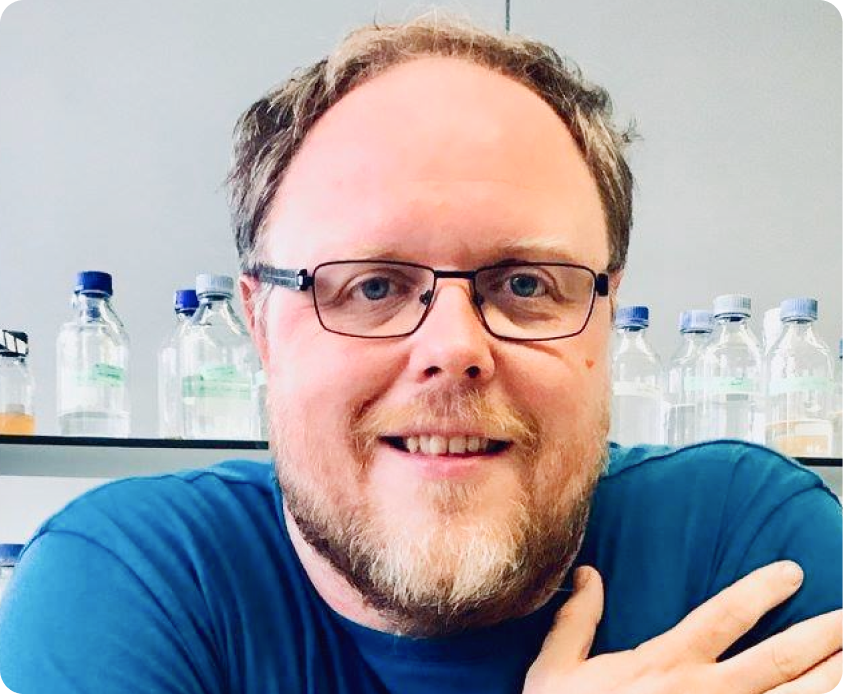
Dr. Rob Lavigne is a molecular microbiology professor at KU Leuven and director of the Laboratory of Gene Technology. He advances phage‑based antimicrobial and SynBio innovations against antibiotic‑resistant pathogens. A leader in phage genomics and enzyme‑based antimicrobials, he is a Fellow of the European Academy of Microbiology, former ISVM president, and ASM Ambassador for Belgium.

Tine Rikke Jørgensen is a Global Public Health specialist who worked at WHO on One Health and antimicrobial resistance. She developed the WHO Vintage Innovation workstream on bacteriophages to advance evidence for phage therapy. She now works at the Globe Institute, University of Copenhagen, in the Phage Biodiscovery Group and supports biotech startups.

Dr Chantal M. Morel is a health economist specializing in antimicrobial resistance (AMR) at the University of Bern, where she leads AMR research at the KPM Center. Her work focuses on AMR economics, health system financing, procurement of new technologies and reimbursement models, as well as incentives for developing antimicrobials, diagnostics and vaccines and improving access and stewardship.
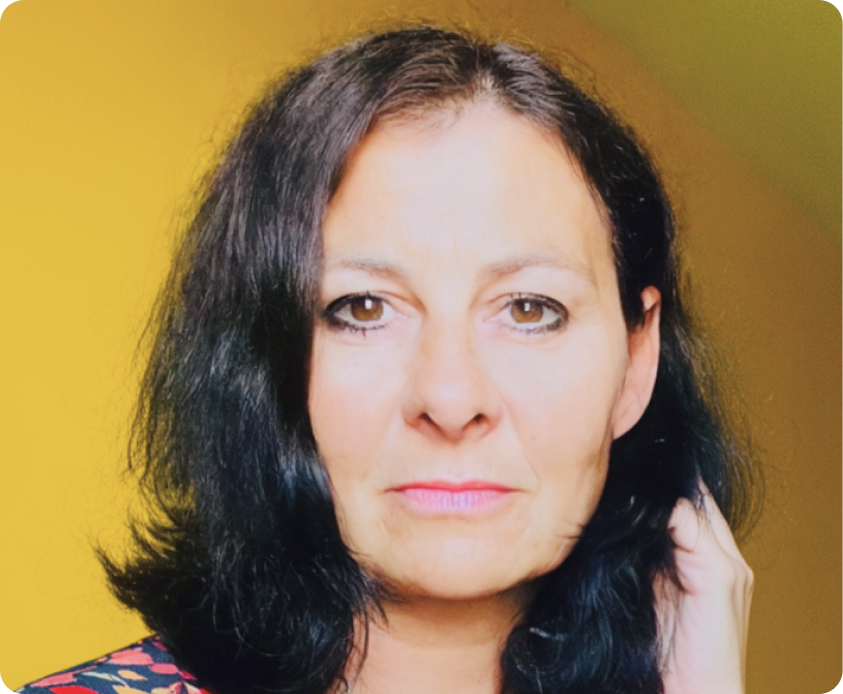
Dr. Nina Grasselli Kmet is a specialist in Infectious Diseases and Intensive Care and an Assistant Professor at the University of Ljubljana. She holds dual specializations, a PhD on chronic hepatitis B and has trained abroad. She is a Senior Consultant in Intensive Care and Head of the Vaccination Centre. Her work focuses on vaccination, long COVID and antimicrobial resistance.
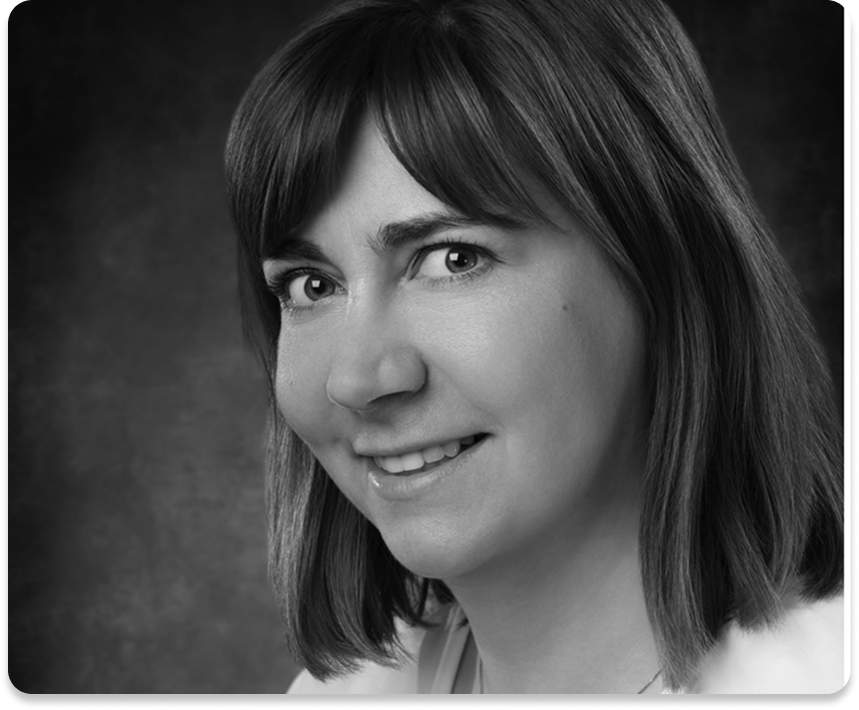
Dr. Zuzanna Kazmierczak is a molecular biologist and immunologist studying therapeutic bacteriophages. She focuses on phage–immune system interactions, assessing the safety and efficacy of phage particles and proteins in animal models to advance phage research toward clinical use against antimicrobial resistance.
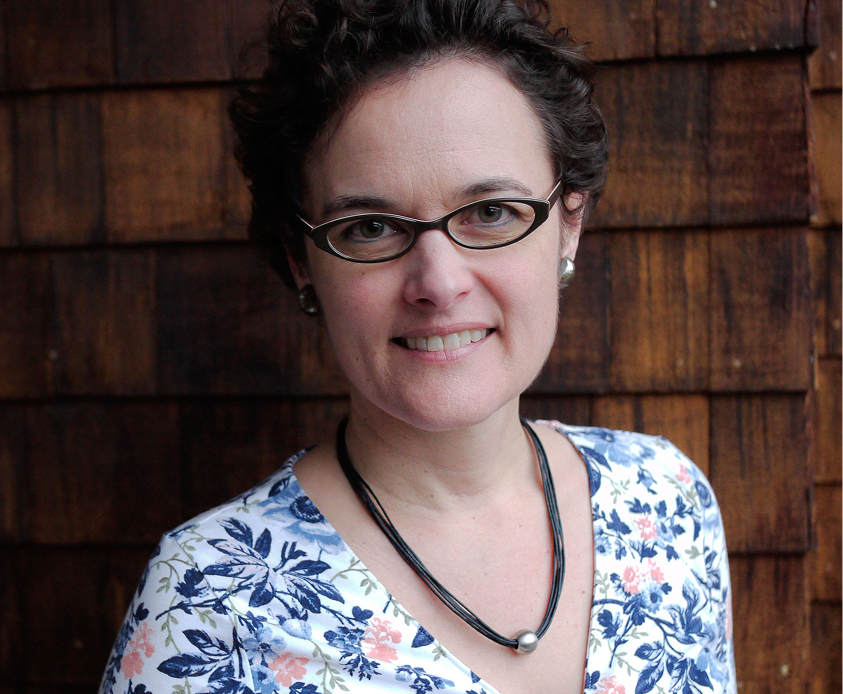
Dr. Tobi Nagel is the Founder and President of Phages for Global Health, a non-profit organization that supports the use of phages in Africa and Asia—regions where roughly 90% of AMR-related deaths are expected to occur. She is also a Fulbright Global Scholar, focusing on how phage therapeutics are regulated in the US, Europe, and Australia.

Dr. Stefan Vermeulen is a PhD in Medical Sciences with 30+ years’ experience in molecular biology, with 50+ publications and 200+ abstracts. He specializes in cancer invasion and metastasis and translating assays into applications. Postdoc in genetics and microbiome/phage methods, inventor of PMD4U, and active in European phage networks.

Dr. Neha Prasad, Ph.D. is a go to market strategist who aligns scientific, clinical, regulatory, and commercial pathways within the U.S. policy landscape. She has led business development and funding prioritization at Felix Biotechnology, the Cystic Fibrosis Foundation, and BARDA, and currently consults for American Society for Microbiology.

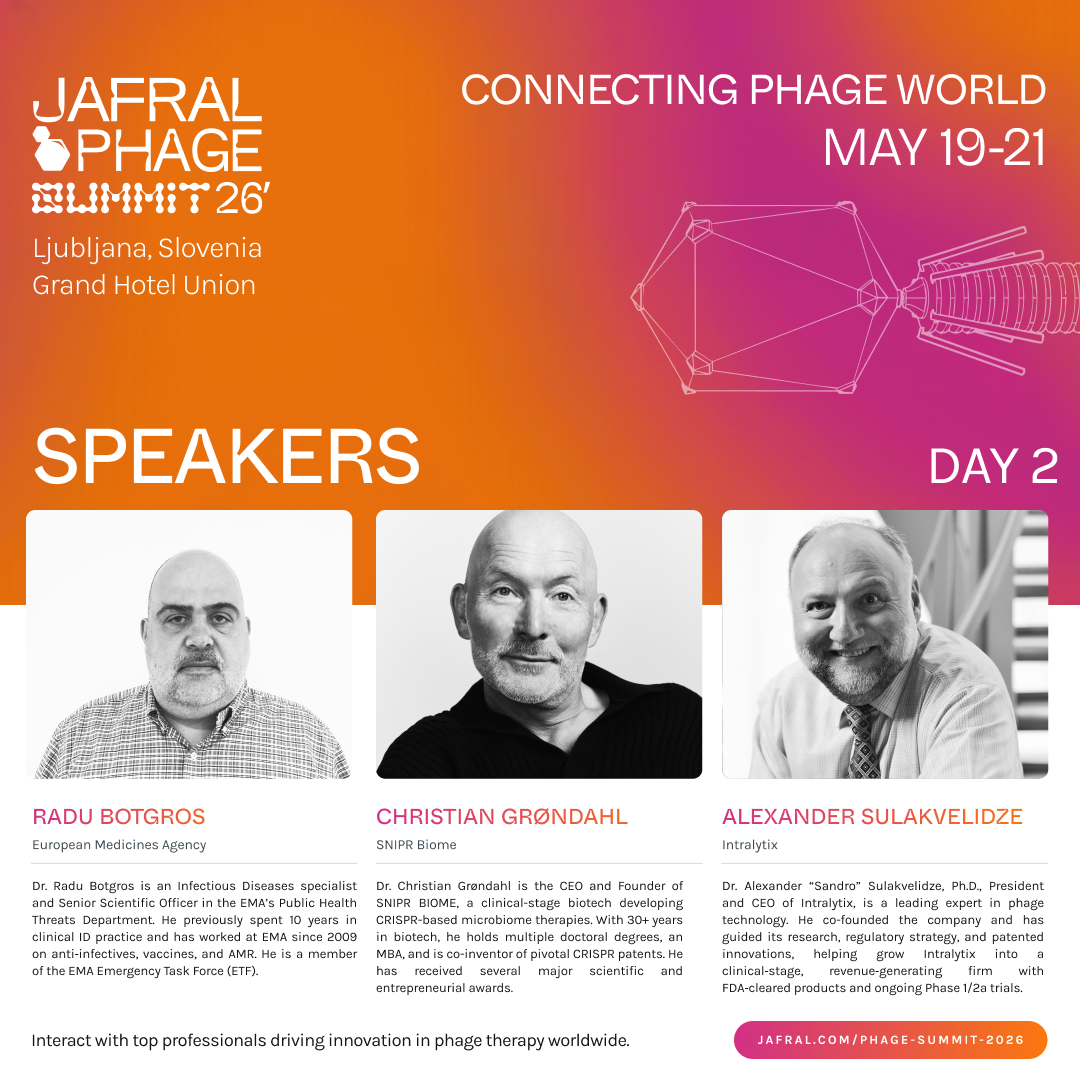
Dr. Christian Grøndahl is the CEO and Founder of SNIPR BIOME, a clinical-stage biotech developing CRISPR-based microbiome therapies. With 30+ years in biotech, he holds multiple doctoral degrees, an MBA, and is co-inventor of pivotal CRISPR patents. He has received several major scientific and entrepreneurial awards.
Dr. Carmen Coxon is a biotherapeutics specialist at the MHRA, working at the intersection of novel antimicrobials, AMR and regulatory science. She maps emerging One Health products and supports developers in navigating regulatory and access challenges across the product lifecycle.
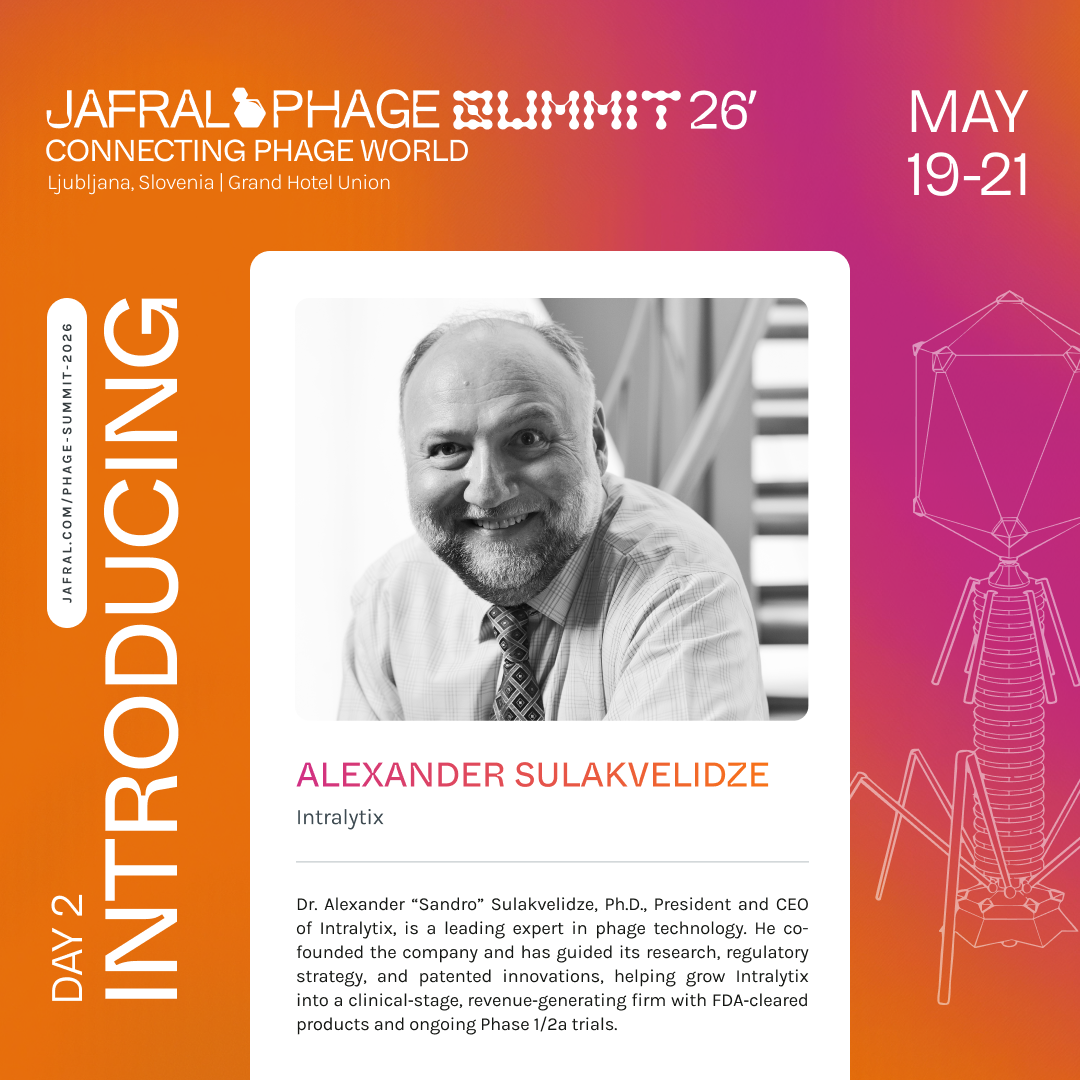
Dr. Alexander “Sandro” Sulakvelidze, President and CEO of Intralytix, is a leading expert in phage technology. He co-founded the company and has guided its research, regulatory strategy and patented innovations, helping grow Intralytix into a clinical‑stage, revenue‑generating firm with FDA‑cleared products and ongoing Phase 1/2a trials.
Dr. Shawna McCallin leads the Phage Therapy and Research Group at Balgrist University Hospital, focusing on developing and clinically translating phage therapy. She has contributed to multiple clinical studies, and serves in leadership roles within ISVM, ESGNTA and the International Phagistry registry.
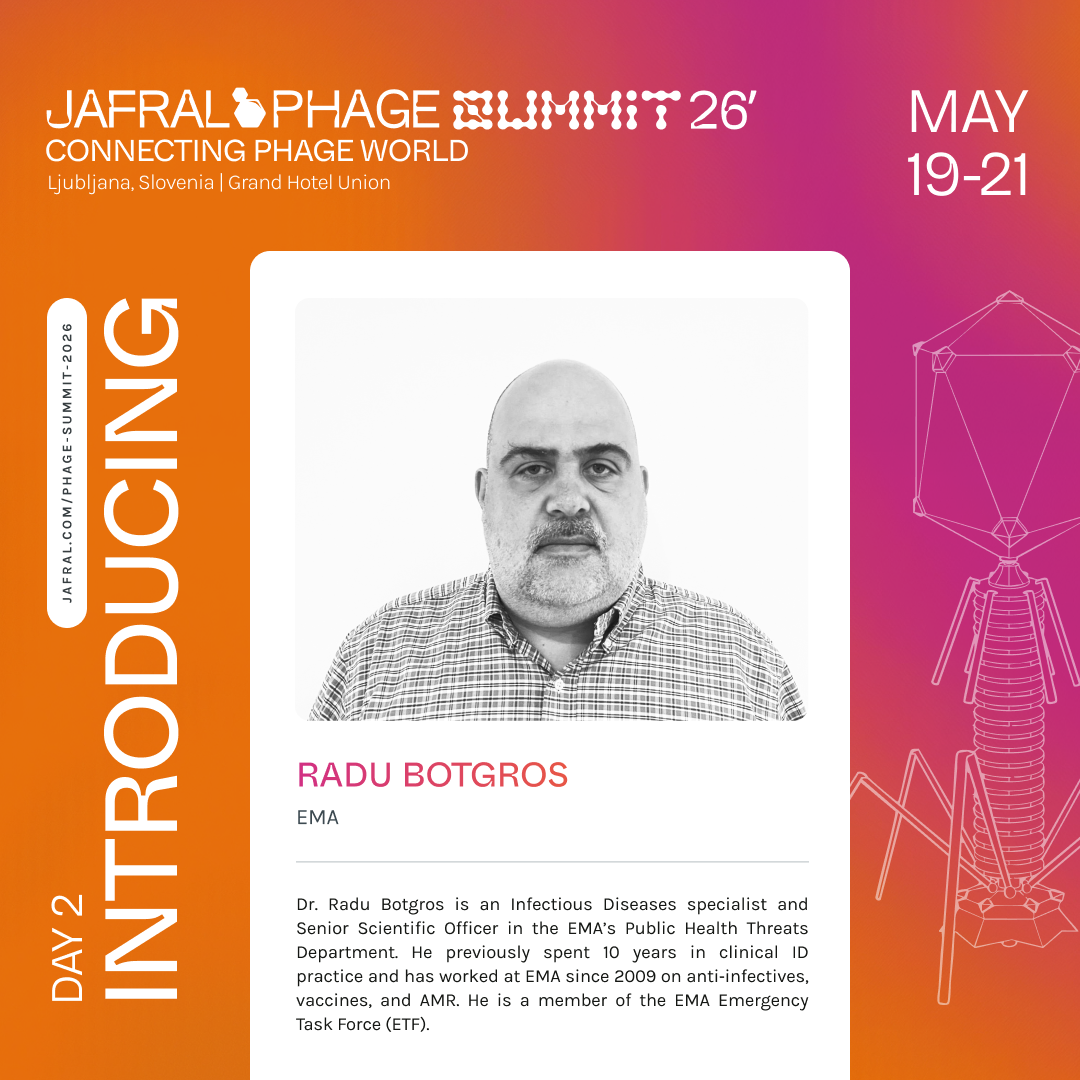
Dr. Radu Botgros is an Infectious Diseases specialist and Senior Scientific Officer in the EMA’s Public Health Threats Department. He previously spent 10 years in clinical ID practice and has worked at EMA since 2009 on anti‑infectives, vaccines, and AMR. He is a member of the EMA Emergency Task Force (ETF).
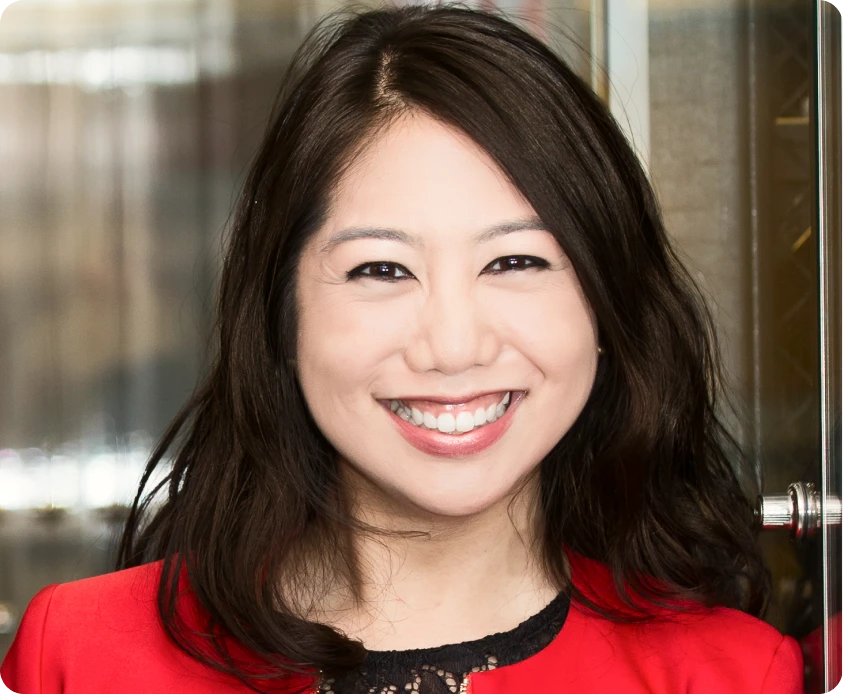
Dr. Minmin Yen is CEO and Co-founder of PhagePro, developing bacteriophage solutions to combat antimicrobial resistance. Dr. Yen has been recognized with honors including MIT Technology Review’s 35 Innovators Under 35, Boston Business Journal’s Women Who Mean Business, and the Henri Termeer Legacy Fellowship.
Dr. Mark Sutton is a Scientific Leader at UKHSA Porton Down and Professor at King’s College London. His work focuses on novel antimicrobials, rapid diagnostics, and bacterial virulence. He leads the AD3 team, supporting clinical translation via open innovation in AMR, including phage therapy. He has 100+ publications and is inventor on 19 patent families.
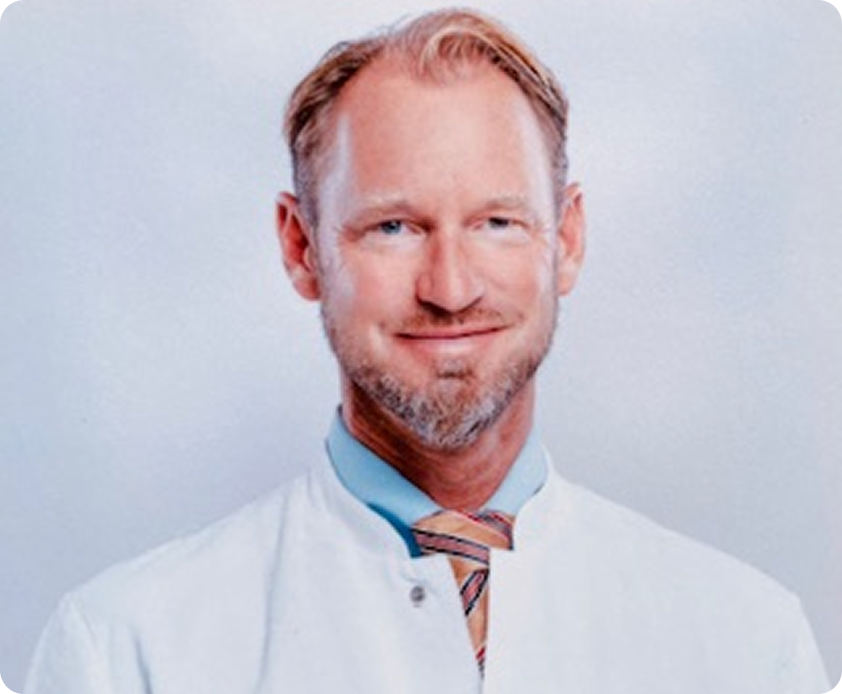
Prof. Dr. Justus Groß is the Head of the Section for Vascular Surgery at the University Medical Center Rostock. His clinical focus lies in open and endovascular aortic surgery, as well as complex septic vascular surgery. His research centers on practical clinical application. His expertise—and the numerous clinical applications of bacteriophages he has pioneered—are now being applied interdisciplinarily in other fields of human medicine and even in veterinary medicine.
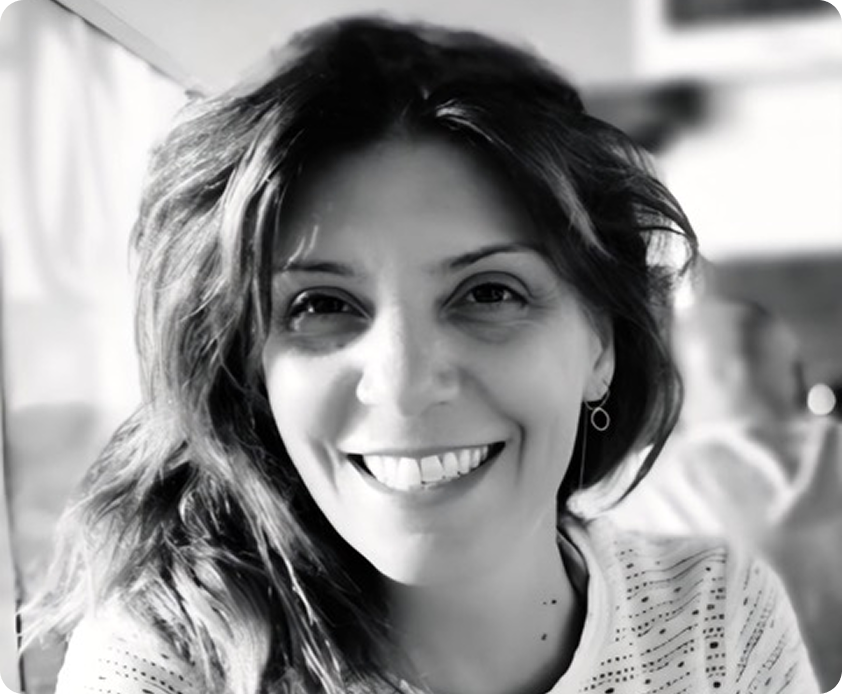
Dr Anaïs Eskenazi is a Belgian medical doctor specialised in internal medicine and infectious diseases. She became involved in phage therapy when one of her patients was in a therapeutic dead end due to a pan-resistant Klebsiella infection.

Dr. Steffen Langwald is a trauma surgeon and Head of the Department of Septic and Reconstructive Surgery at BG Klinikum Bergmannstrost in Halle, Germany. Since 2017, he has been treating patients with musculoskeletal infections using bacteriophage therapy.
.png)
Kārlis Rācenis, MD, PhD, is a physician‑scientist at Rīgas Stradiņš University specializing in internal medicine, nephrology, and antimicrobial resistance. A pioneer of phage therapy in Latvia, he leads a team developing personalized treatments for multidrug‑resistant infections and advancing clinically relevant phage solutions in the Baltic region.

Dr. Mzia Kutateladze leads the world‑renowned G. Eliava Institute of Bacteriophages in Tbilisi, Georgia. As Director and President of the Eliava Foundation, she guides research, new phage product development, and clinical programs. With over 30 years of experience in bacteriophage science, she plays a key role in advancing phage therapy and its applications.
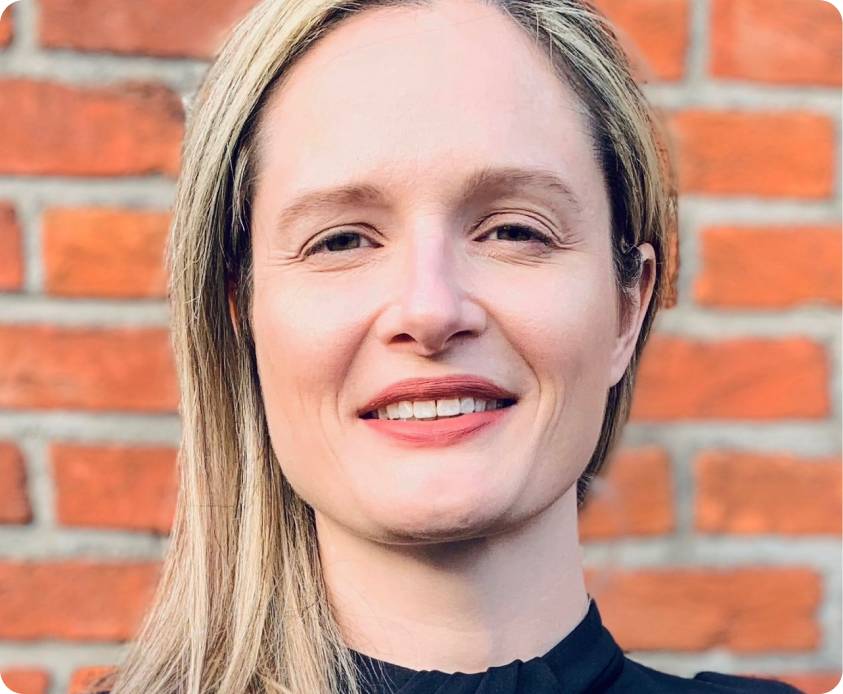
After the Brussels attack, Karen was left with almost no chance to survive. When infections worsened and antibiotics failed, she and Dr. Eskenazi fought desperately for phage therapy. Against all odds, it saved her. After more than 60 surgeries and years in the hospital, Karen’s recovery stands as a deeply moving testament to strength, hope, and the miracle of phages.

Dr. Jean-Paul Pirnay is a biotechnology engineer and researcher at the Queen Astrid Military Hospital in Brussels. He helped establish the hospital’s cell and tissue banks and reintroduce phage therapy. Since 2004, he has led LabMCT, developing phage products with academic partners, contributing to PhagoBurn and Belgium’s phage therapy framework.
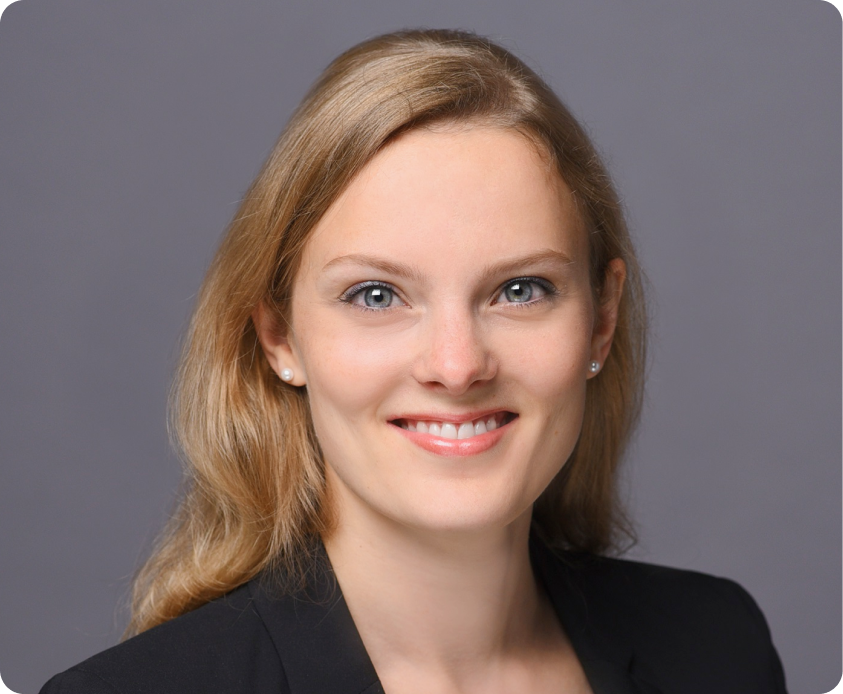
Dr. Silvia Würstle, MD, MBA, is a physician–scientist and leading phage‑therapy expert who heads a 15‑member phage research lab at University Hospital Frankfurt. She helped establish phage therapy as a clinical option in Germany and now co‑coordinates the national guideline for personalized phage therapy.
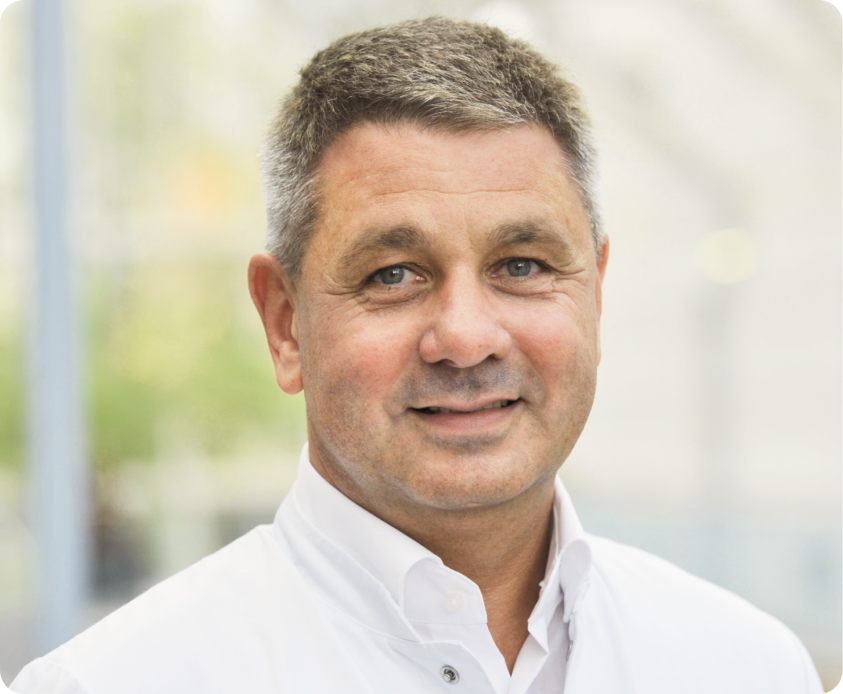
Dr. Andrej Trampuz is Professor for Infectious Diseases and Chair of the Device-Related Infection Management Team at the Queensland University of technology (QUT) and the Royal Brisbane and Women´s Hospital (RBWH). He is the founder of the ESCMID Study Group on Implant-Associated Infections (ESGIAI) and the non-profit PRO-IMPLANT Foundation.





.png)
.png)

